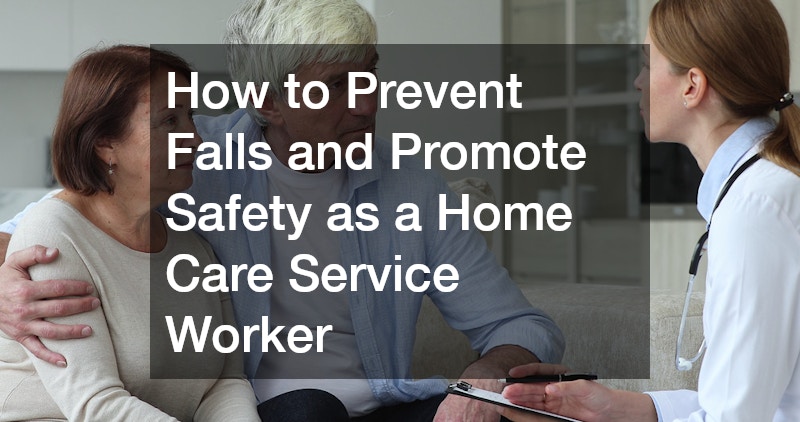
Within the sphere of home care service, ensuring safety and preventing falls are essential duties for caregivers.
Causes of Falls in Home Care Settings
Environmental Hazards
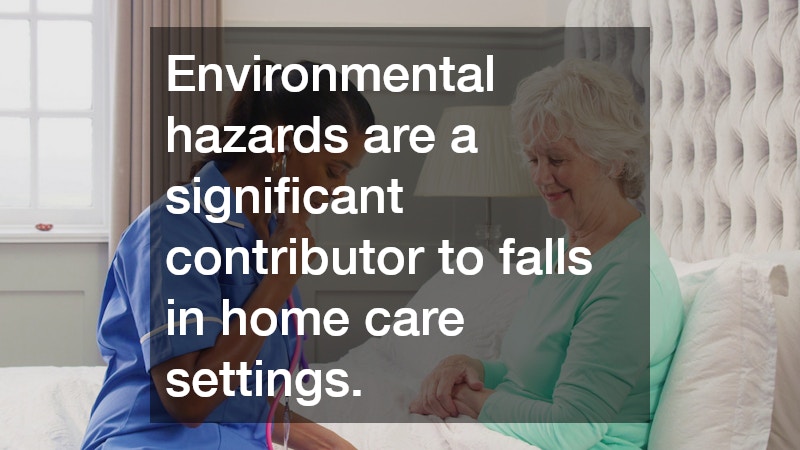
Environmental hazards are a significant contributor to falls in home care settings. Common hazards include loose rugs, poor lighting, and clutter in walking paths.
Home care workers must remain vigilant in identifying and mitigating these hazards to ensure a safe environment.
Health and Physical Limitations
Health conditions such as arthritis, stroke effects, or poor vision can increase the likelihood of falls among home care clients. These limitations impact clients’ mobility and balance, making everyday tasks more hazardous. Home care workers need to tailor their strategies to meet each client’s specific health needs.
Inadequate Safety Measures
In some cases, the absence of adequate safety measures can be a major fall risk in home care settings. Homes that lack proper grab bars in bathrooms or handrails on stairs are particularly concerning. Safety measures must be viewed as essential, not optional, components of the caregiving process.
Assessing Fall Risks
Conducting Safety Assessments
Conducting thorough safety assessments is a critical step in preempting falls in the home. Home care workers should initially perform a comprehensive walkthrough of the client’s living environment to identify potential hazards. This process involves examining the arrangement of furniture, the condition of flooring, and the adequacy of lighting.
Using Risk Assessment Tools
Home care workers have access to a variety of risk assessment tools designed to evaluate the fall risks in clients’ homes. These tools provide structured methods for systematically identifying hazards and vulnerabilities. This approach helps in standardising safety evaluations across different care settings.
Monitoring and Reassessment
Ongoing monitoring and reassessment are essential components of a successful fall prevention strategy. Client needs and home environments can change over time, necessitating continuous oversight. Regular reassessments allow home care workers to update safety plans and implement new precautions as needed.
Strategies to Prevent Falls
Modifying Home Environments
Modifying home environments is a practical strategy to decrease fall risks in home care settings. Simple modifications such as securing rugs, installing railings, and improving lighting can make a significant difference. These changes are often cost-effective and easy to implement, yet they greatly enhance client safety.
Client Education and Training
Client education and training play an integral role in fall prevention strategies. By educating clients on the importance of safety practices, home care workers empower them to take an active role in their own safety. Education initiatives should be personalised to address each client’s unique needs and limitations.
Assistive Devices and Technology
The use of assistive devices and technology in home care is pivotal for promoting client safety. Devices such as walkers and wheelchairs provide critical support for individuals with mobility issues. Home care workers should familiarise themselves with available technologies to best support their clients.
Using Communication to Improve Safety
Communicating with Clients
Clear communication with clients is fundamental for effective fall prevention. Home care workers should engage clients in discussions about safety concerns and preventative measures. This dialogue helps ensure that clients understand the reasons behind certain practices and adjustments.
Coordinating with Family Members
Family involvement is a critical aspect of promoting safety in home care settings. By effectively communicating with family members, home care workers ensure that everyone is informed and engaged in the safety efforts. Family members can offer valuable insights into the client’s history and preferences, aiding in the development of tailored safety plans.
Liaising with Health Professionals
Liaising with health professionals is another important strategy for comprehensive fall prevention. Collaborating with medical providers, therapists, and other health professionals ensures that home care workers have a holistic view of the client’s health status.
Best Practices for Handling Falls
Immediate Response and First Aid
In the event of a fall, an immediate and appropriate response is crucial. Home care workers should be well-versed in basic first aid to provide necessary assistance. Immediate response not only tends to the physical needs but also reassures the client, reducing anxiety after the fall.
Reporting and Documentation
Thorough reporting and documentation of falls is a key practice in managing client safety. Accurately recording incidents helps identify patterns or recurring issues that need addressing. Proper documentation is also essential for maintaining transparency and communication with family members and health professionals.
Evaluating and Adjusting Care Plans
Post-fall evaluations are necessary for realigning care plans to prevent future incidents. This involves reassessing the client’s needs and the effectiveness of the current safety measures in place. Continuous evaluation and adaptability are crucial to improving client safety.
Ensuring client safety in home care demands ongoing assessment and adaptation of fall prevention strategies. By staying informed and implementing effective practices, home care workers can significantly enhance the living conditions and safety for their clients.